Made in France, Made to Last: The Story of Pamplemousse Peluches
There are certain objects we bring into our children’s lives knowing, almost instinctively, that they will remain long after childhood has passed.
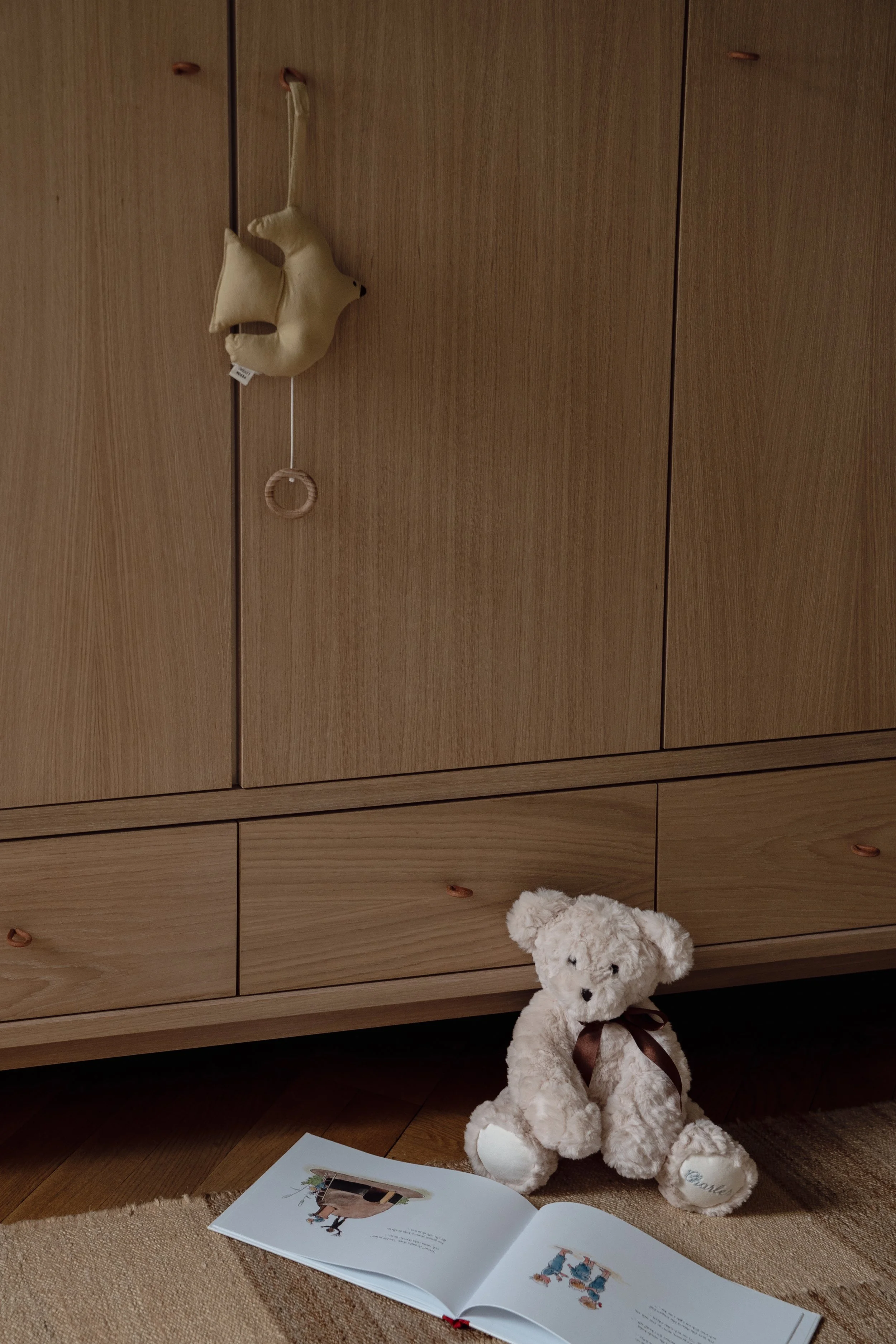
Some childhood companions are chosen for a season. Others are chosen for a lifetime.
A beautifully worn book. A tiny knitted cardigan folded away in a drawer. A wooden toy bearing the marks of years of play. And, perhaps most sentimentally of all, a beloved teddy bear.
Recently, two such bears arrived at our home from French maison Pamplemousse Peluches: Harold, an ivory-furred bear with the wonderfully nostalgic character of something discovered in another era.
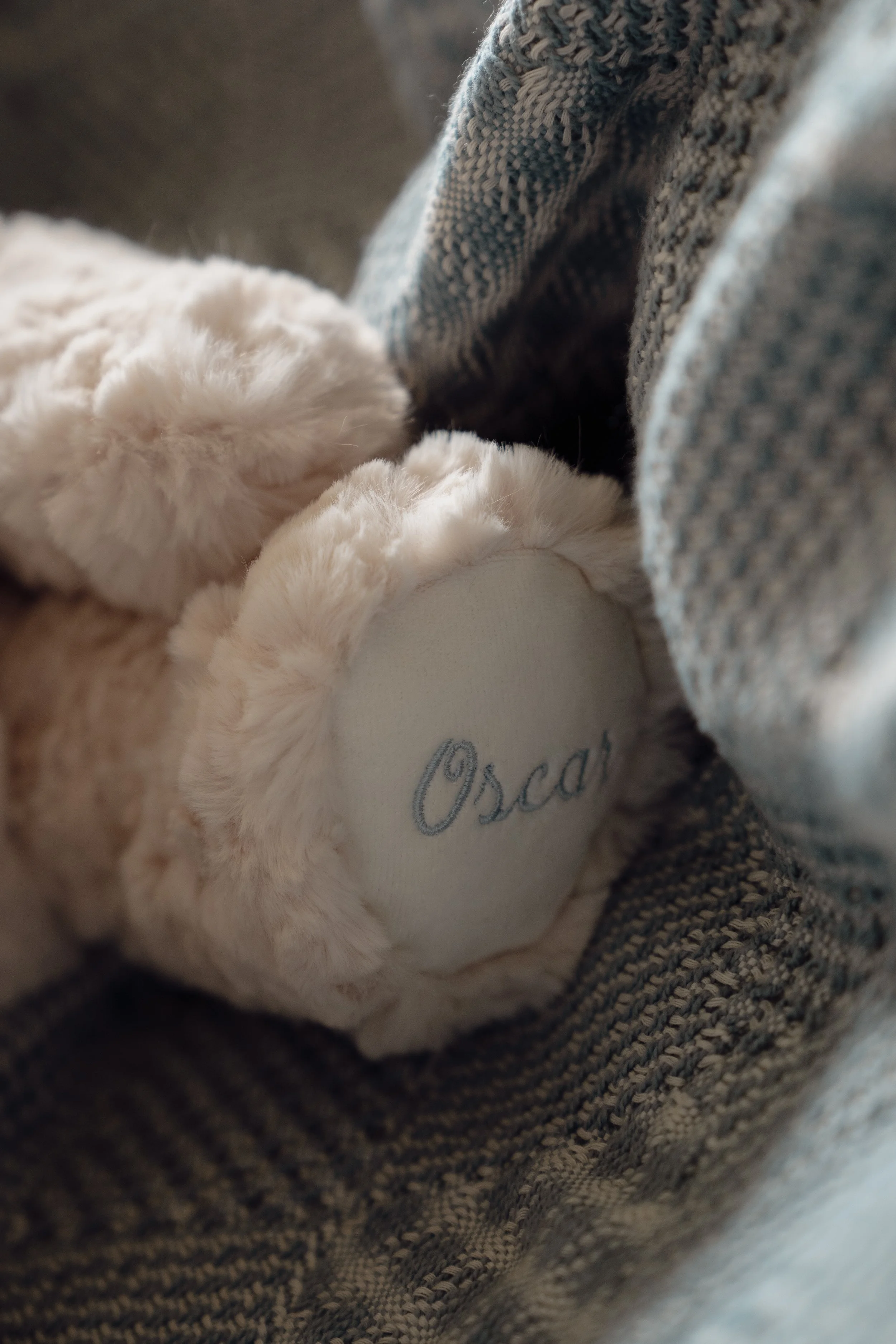
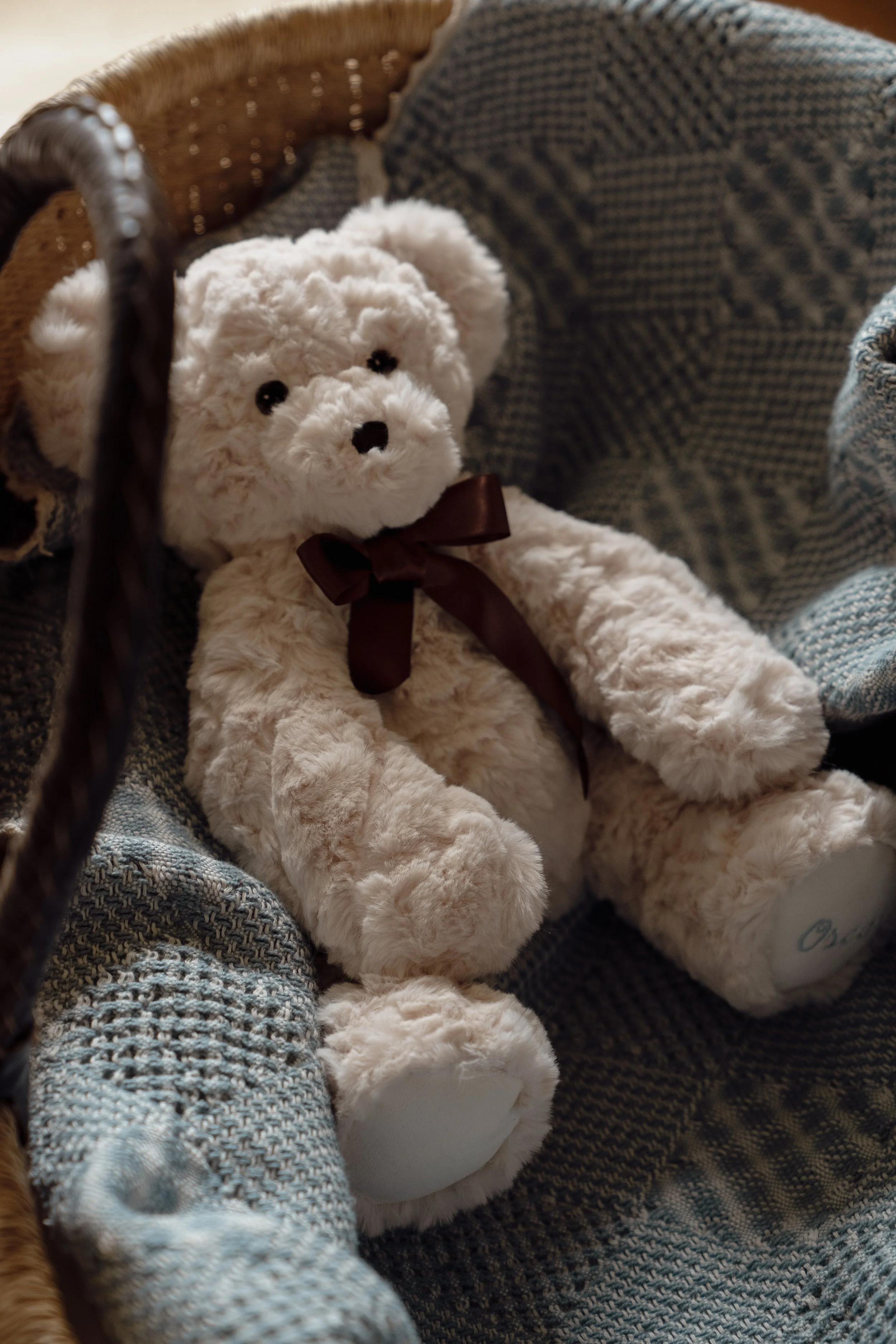
There is an old-world quality to Harold that I immediately fell for. His proportions, expression and beautifully soft fur feel more reminiscent of a traditional teddy than a modern toy — charming without being overly sweet, and elegant enough to sit quietly in a nursery long before becoming thoroughly loved.
For me, receiving two made them all the more special. One for each of my boys. I love the thought that they begin their lives together, pristine and identical, yet will inevitably become completely individual with time. One may acquire a slightly flattened ear; another a worn paw from being carried everywhere. Their differences will become a record of childhood itself.
That philosophy feels particularly at home at Pamplemousse Peluches.
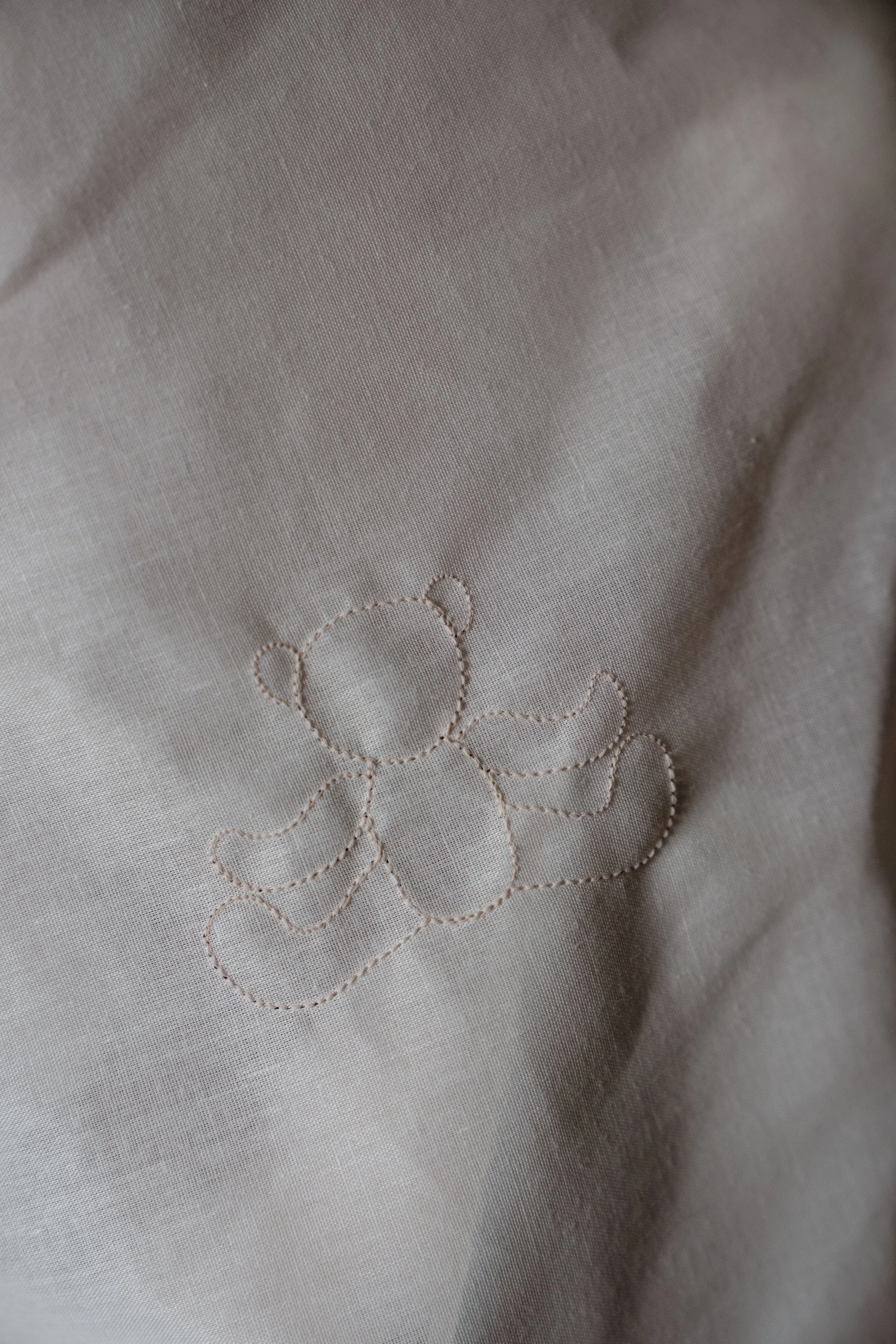
Made slowly in France, with the quiet beauty of something intended to be kept.
The family-run French house began with three siblings — Laurent, Hélène and Sophie — and a desire to revive the disappearing tradition of French plush-making. The inspiration came from Hélène’s childhood Flemish Giant rabbit, affectionately named Pamplemousse, and a fruitless search years later for a French-made soft toy that captured the same feeling.
So they decided to make one themselves.
Today, more than a decade later, Pamplemousse’s bears, rabbits and wonderfully imagined creatures are still created in the countryside of Picardy, inside the atelier at Ferme de Puisieux. From the first drawing and pattern to cutting, stitching, stuffing and finishing, the process remains in-house — carried out by skilled seamstresses with an extraordinary command of their craft.
And you can feel that craftsmanship in Harold.
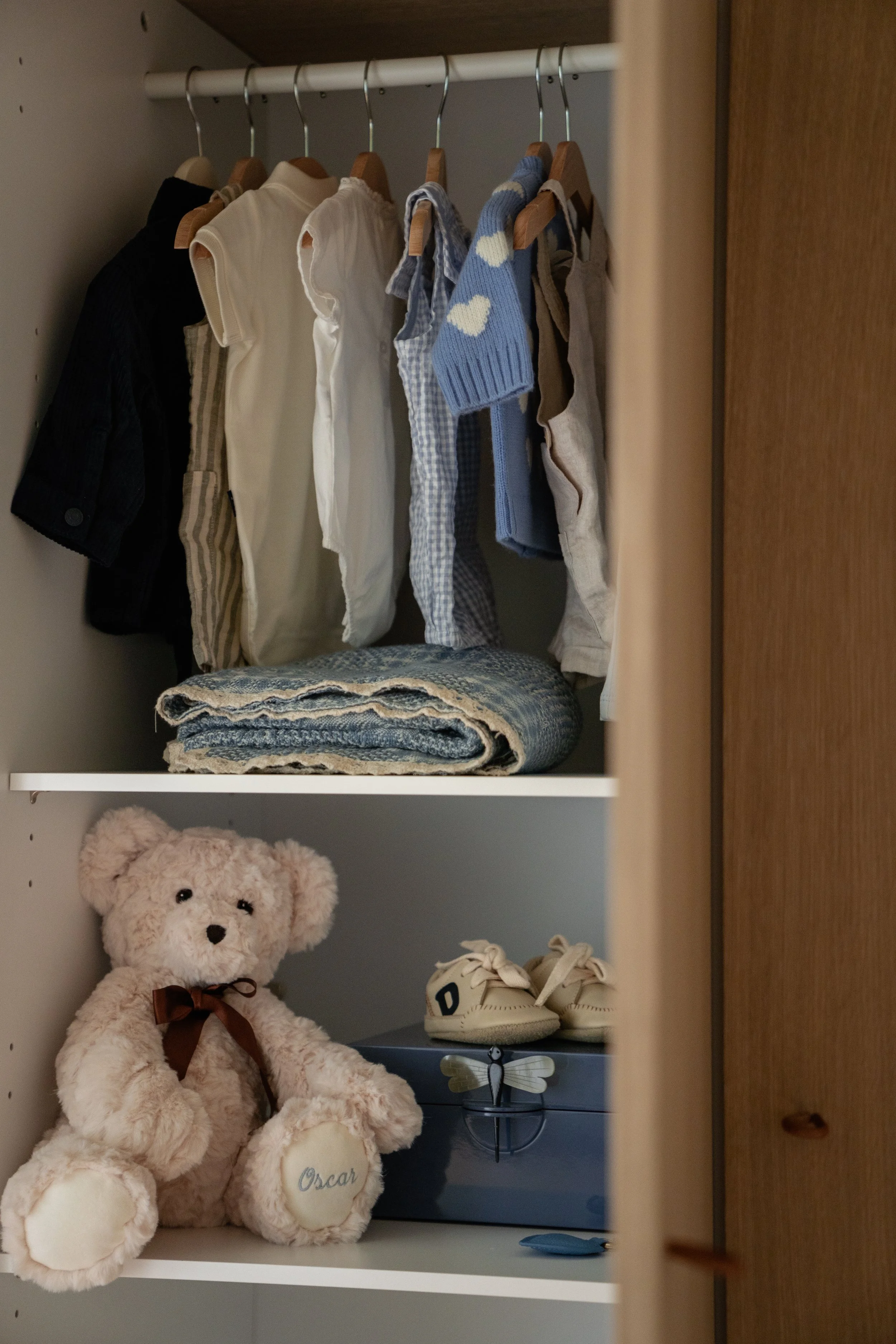
The loveliest heirlooms are not preserved untouched, but softened by years of being loved.
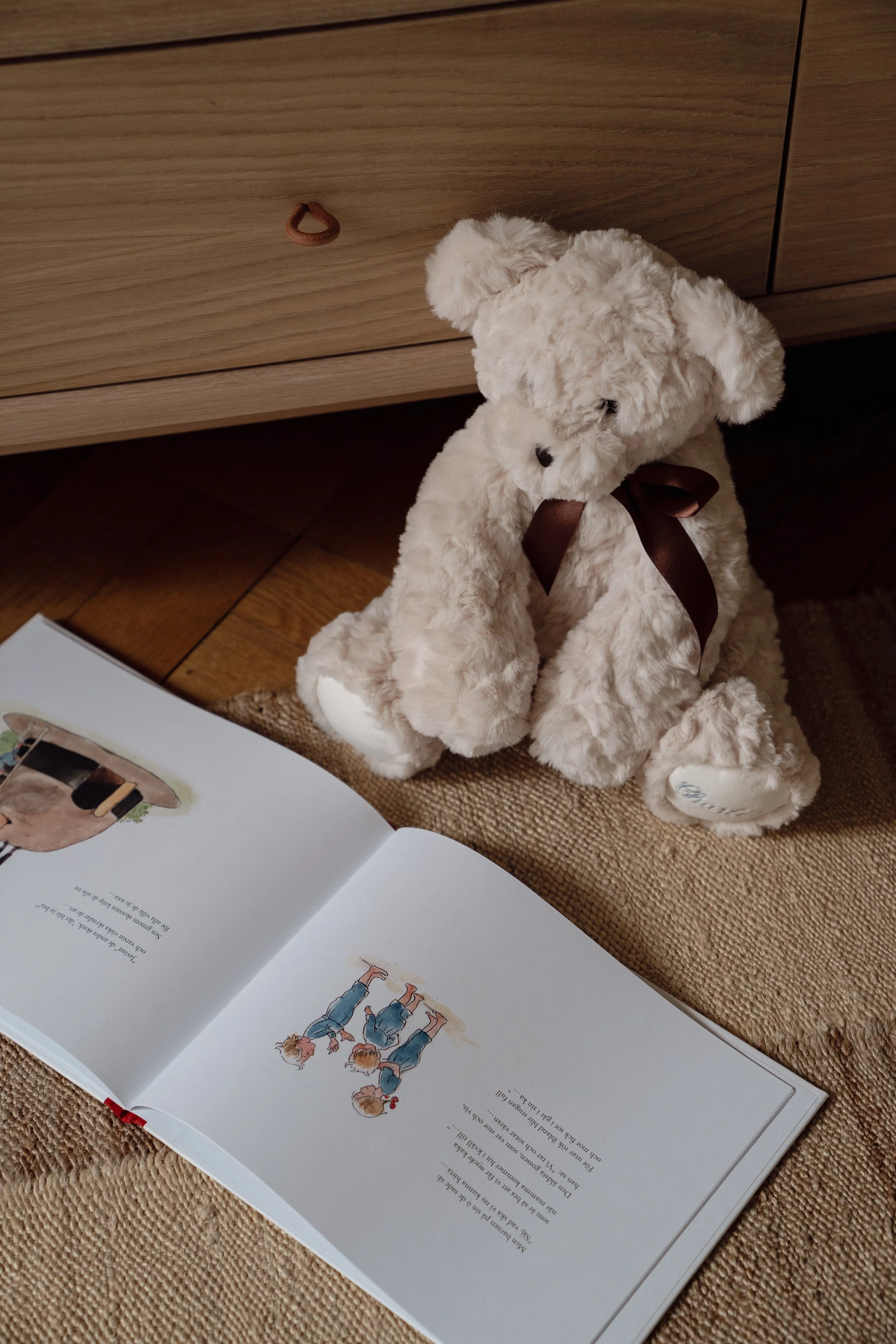
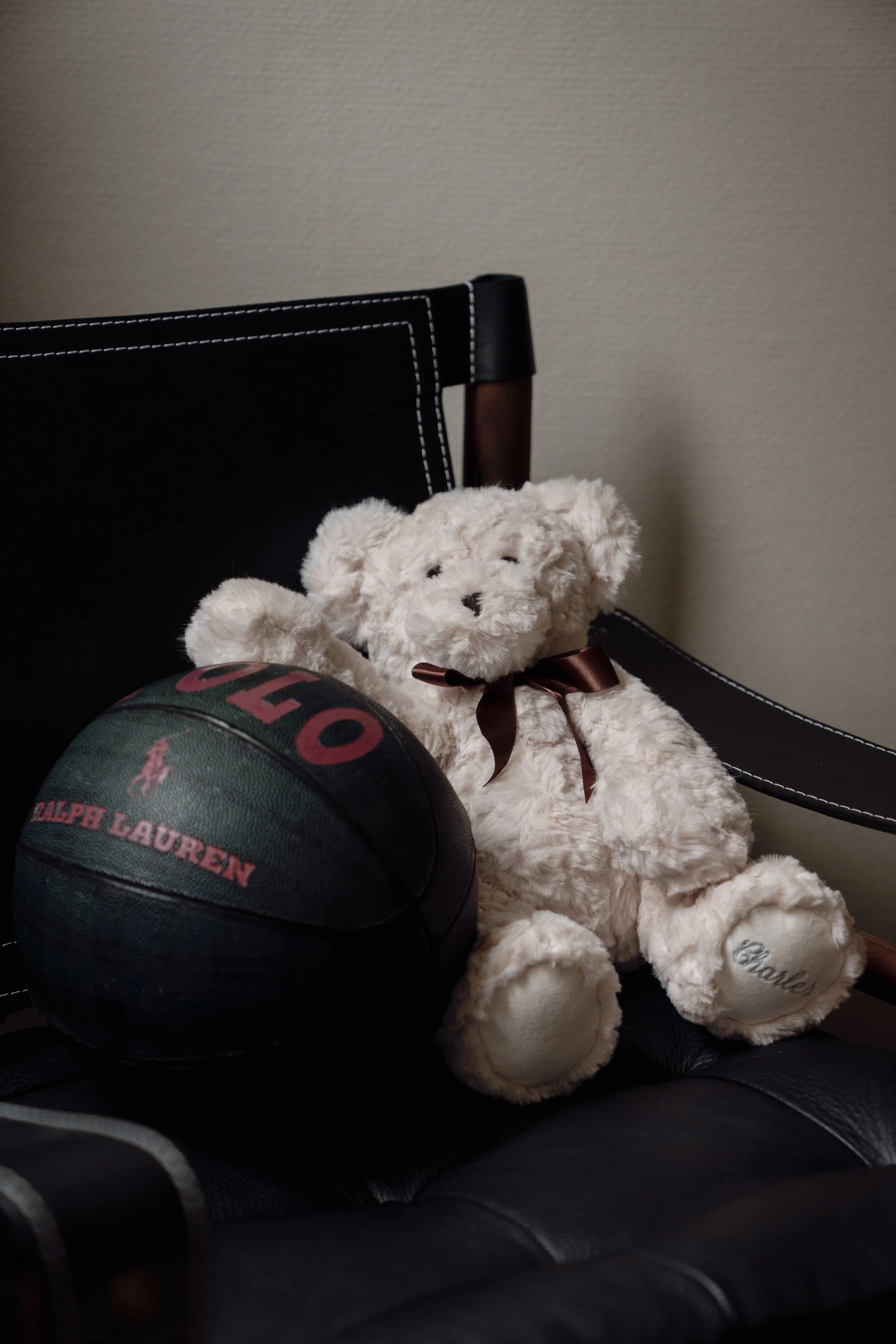
There is something increasingly precious about an object made slowly, locally and with the intention of lasting. In a childhood inevitably filled with things that are quickly outgrown, I find myself drawn more and more towards choosing fewer, more meaningful pieces — things worth keeping.
Perhaps that is what makes a true heirloom: not something precious enough to protect from life, but something beautifully made enough to live alongside it.
I hope our two Harolds will do exactly that.